Why Welding Inspection Matters in Industrial Projects
Welding inspection is an important process used to ensure the strength and safety of welded structures. Industries such as construction, oil and gas, and manufacturing depend on strong welds to maintain reliable operations. Through proper welding inspection, experts can identify defects like cracks, porosity, or incomplete fusion that may weaken the structure. This process helps maintain high quality standards and prevents costly failures in the future. Regular inspection also improves overall project reliability and ensures that welded components meet industry requirements and safety regulations.
Common Methods Used in Welding Inspection
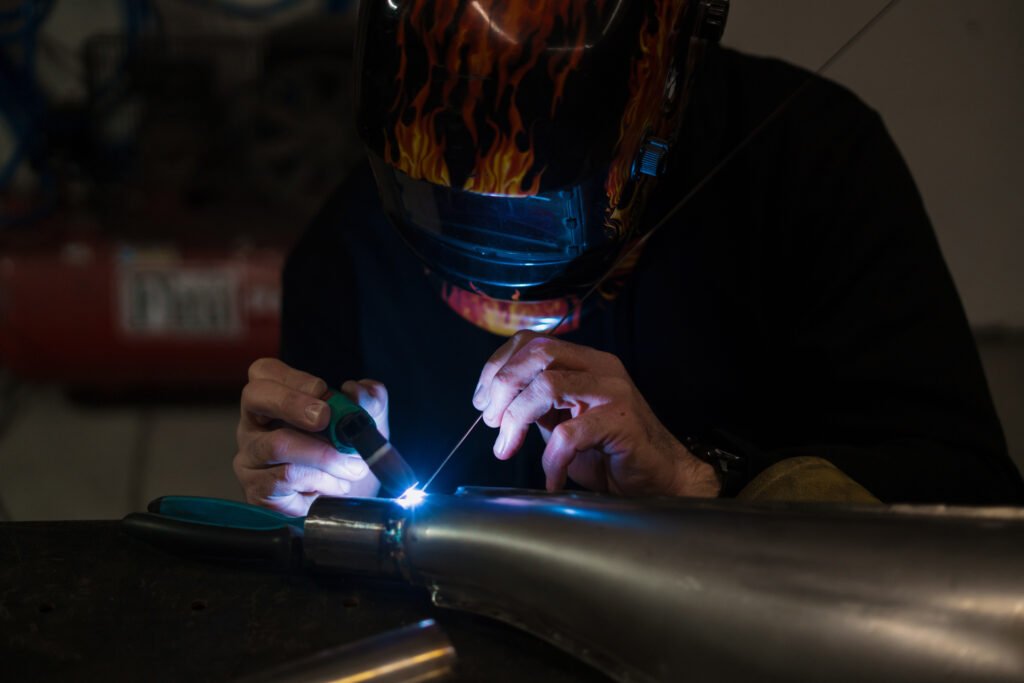
Several techniques are used in welding inspection to check the quality of welded joints. Visual inspection is the most basic method, where inspectors examine the weld surface for visible defects. Advanced methods such as ultrasonic testing, radiographic testing, magnetic particle testing, and dye penetrant testing are also widely used. These techniques help detect both surface and internal flaws that cannot be seen with the naked eye. By using the right inspection method, industries can ensure that welds meet technical standards and perform safely under operational conditions.
Benefits of Proper Welding Inspection
Proper welding inspection provides many advantages for companies and industrial projects. It helps detect potential problems early, reducing the risk of structural failures. This process also improves product quality and ensures that welding work follows approved codes and standards. By identifying defects before the final stage of production, businesses can avoid expensive repairs and downtime. In addition, reliable inspection practices increase the lifespan of equipment and structures, making welding inspection a valuable part of any quality assurance system.
Skills Required for Welding Inspectors
Professionals working in welding inspection must have strong technical knowledge and practical experience. They need to understand welding processes, materials, and safety standards used in different industries. Inspectors must also be skilled in using testing equipment and interpreting inspection results accurately. Training programs and certification courses help individuals develop these skills and prepare them for real-world industrial environments. With the right training, welding inspectors can play a crucial role in maintaining quality and safety across various sectors.
Growing Demand for Welding Inspection Professionals
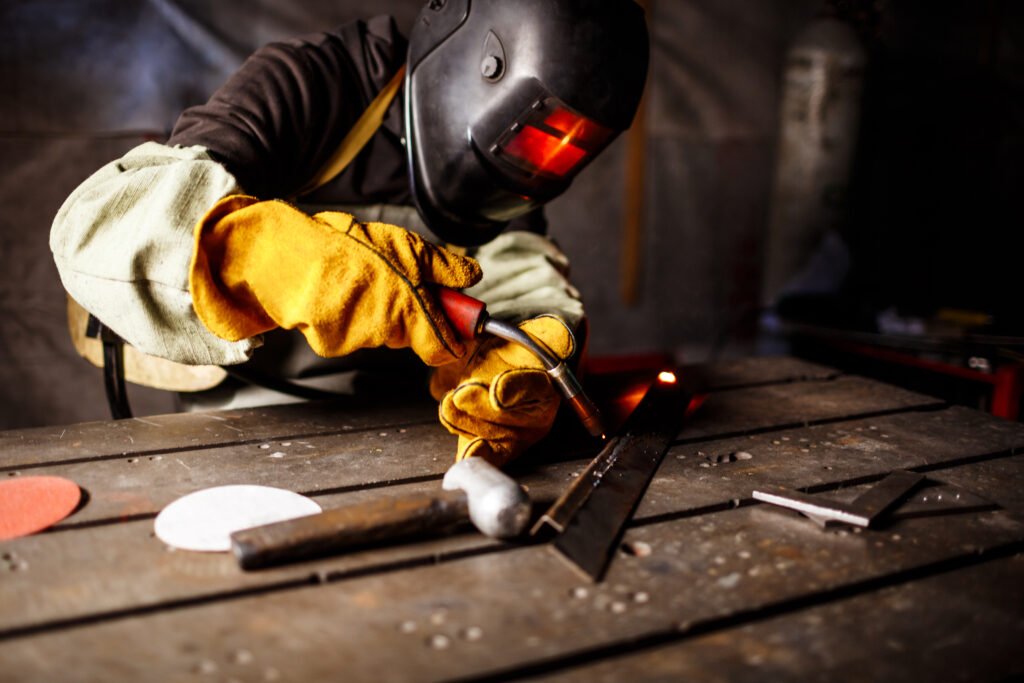
As industries expand and infrastructure projects increase, the need for skilled welding inspection professionals continues to grow. Companies are placing greater emphasis on quality control and safety compliance, making inspection an essential part of industrial operations. Technological advancements are also improving inspection techniques, allowing inspectors to detect defects more accurately and efficiently. Because of these developments, welding inspection has become a promising career path for individuals interested in technical fields and industrial quality management.