CSWIP 3.1 Welding Inspector Role in Oil and Gas
The oil and gas industry relies heavily on skilled professionals like CSWIP 3.1 Welding Inspectors to maintain safety and quality standards. These inspectors play a crucial role in ensuring that all welding activities meet international codes and project specifications. In this high-risk sector, even a minor defect can lead to serious failures. That is why companies hire qualified QC Inspectors to monitor every stage of the welding process. With proper certification, professionals can build a strong career in both onshore and offshore projects, making this field highly rewarding and globally recognized.
CSWIP 3.1 Welding Inspector Responsibilities Explained
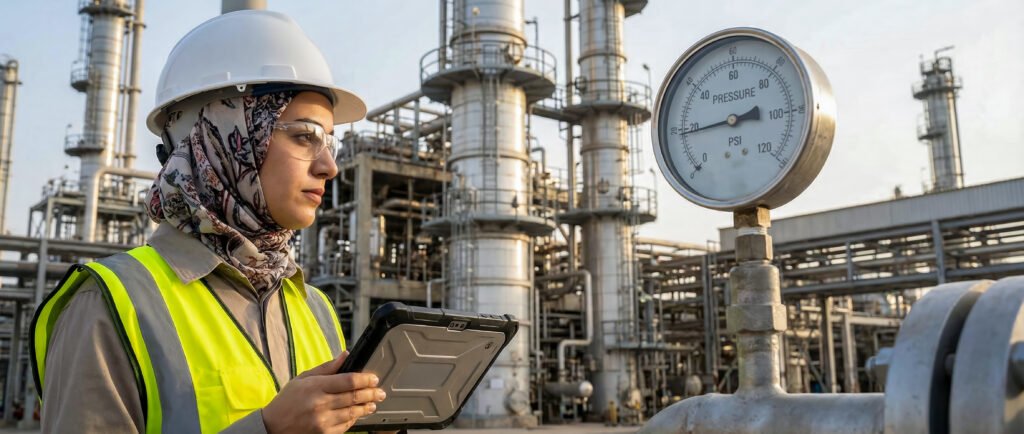
A CSWIP 3.1 Welding Inspector is responsible for inspecting welding procedures, materials, and workmanship across various oil and gas projects. Their duties include checking weld quality, reviewing technical documents, and ensuring compliance with safety regulations. QC Inspectors also coordinate with engineers and project managers to maintain quality standards. They use testing methods like visual inspection and non-destructive testing to detect defects. Their role is essential in preventing structural failures. With increasing demand in the oil and gas sector, certified inspectors are highly valued for their expertise and attention to detail.
Career Opportunities for CSWIP 3.1 Welding Inspector
The demand for CSWIP 3.1 Welding Inspectors in the oil and gas industry is continuously growing due to strict safety requirements. Professionals can find opportunities in refineries, pipelines, offshore platforms, and construction projects. QC Inspectors with experience often secure high-paying jobs in countries like the UAE, Saudi Arabia, and other global markets. This certification opens doors to long-term career growth and international exposure. Many companies prefer certified candidates because they ensure project reliability. With the right skills and certification, individuals can achieve financial stability and professional recognition in this competitive field.
Importance of QC Inspector in Oil and Gas Projects
QC Inspectors play a vital role in maintaining quality and safety in oil and gas projects. A CSWIP 3.1 Welding Inspector ensures that welding operations meet industry standards and project specifications. Their inspections help prevent leaks, equipment failures, and costly repairs. By identifying defects early, QC Inspectors reduce risks and improve overall efficiency. Their work directly impacts the durability and safety of structures. In such a critical industry, their presence is essential for smooth project execution. This makes the role highly respected and necessary for successful project completion.
Why Choose CSWIP 3.1 Welding Inspector Certification
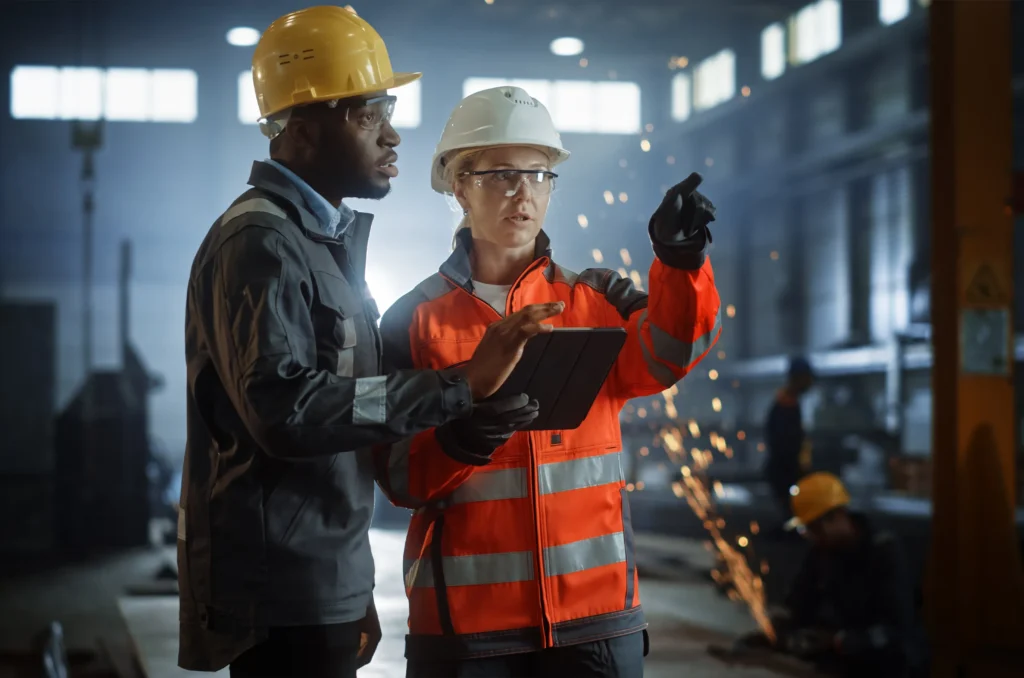
Choosing a CSWIP 3.1 Welding Inspector certification is a smart move for anyone looking to enter the oil and gas industry. This certification provides in-depth knowledge of welding inspection techniques and quality control practices. It enhances your credibility as a QC Inspector and increases job opportunities worldwide. Employers prefer certified professionals because they bring reliability and expertise to projects. With proper training and certification, candidates can secure stable and high-paying roles. Investing in this qualification can significantly boost your career and open doors to global opportunities in the oil and gas sector.