Welding Inspector: Career Overview and Importance
A Welding Inspector plays a vital role in ensuring safety and quality in various industries, especially in oil and gas projects. Their main responsibility is to check whether welding work meets industry standards and specifications. A skilled Welding Inspector helps prevent failures, accidents, and costly repairs. This profession is highly respected because it directly impacts structural strength and safety. With increasing demand in infrastructure and energy sectors, choosing a career as a Welding Inspector offers long-term stability and growth opportunities for individuals interested in technical and quality control roles.

Welding Inspector Skills and Responsibilities
A Welding Inspector must have strong technical knowledge and attention to detail. Their duties include checking welding procedures, inspecting materials, and ensuring compliance with codes. They perform visual inspections and sometimes use advanced testing methods. Understanding Welding Inspection techniques is essential for identifying defects like cracks or improper joints. Communication skills are also important, as inspectors must report findings clearly. A good Welding Inspector ensures that all welding work is safe, durable, and meets project requirements, making them a key part of any construction or industrial team.
Importance of CSWIP 3.1 Certification
To become a professional Welding Inspector, obtaining the CSWIP 3.1 certification is highly recommended. This globally recognized qualification proves your expertise in welding inspection standards and procedures. It helps you gain better job opportunities and higher salaries. CSWIP 3.1 covers important topics such as welding processes, inspection techniques, and quality control. Employers in industries like oil and gas prefer certified professionals because they ensure reliable work. Having this certification gives you a competitive advantage and builds trust with employers and clients worldwide.
Welding Inspector Role in Oil and Gas Industry
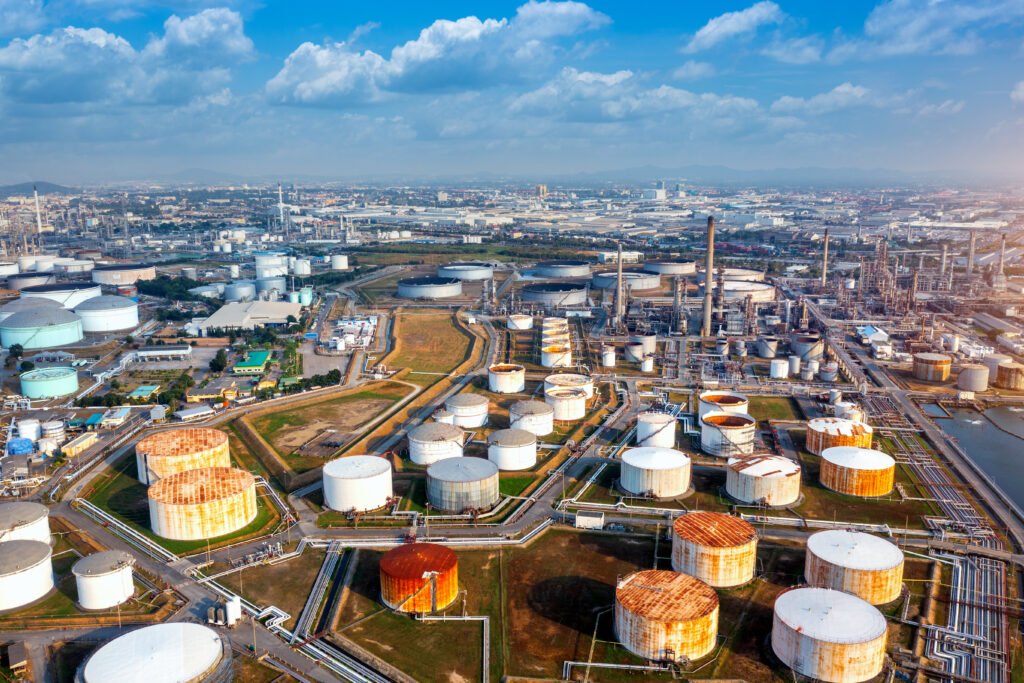
The Welding Inspector plays a crucial role in the Oil and gas industry, where safety and precision are extremely important. Pipelines, refineries, and offshore structures require strong and defect-free welding. Inspectors ensure that all welding work meets strict industry standards to avoid leaks or failures. A small mistake can lead to serious accidents, so Welding Inspectors are essential for maintaining safety. Their expertise in Welding Inspection helps companies maintain high-quality standards and avoid financial losses, making them valuable professionals in the oil and gas sector.
Welding Inspector as a QC Inspector Career Path
A Welding Inspector can also work as a QC Inspector, focusing on quality control in different industries. As a QC Inspector, you will monitor production processes, inspect materials, and ensure products meet required standards. This role offers diverse opportunities in construction, manufacturing, and oil and gas sectors. With proper training and certifications like CSWIP 3.1, you can build a successful career. The demand for skilled QC Inspectors is increasing, making it a great career choice for people who want job security and professional growth.