What Is the Oil and Gas Industry?
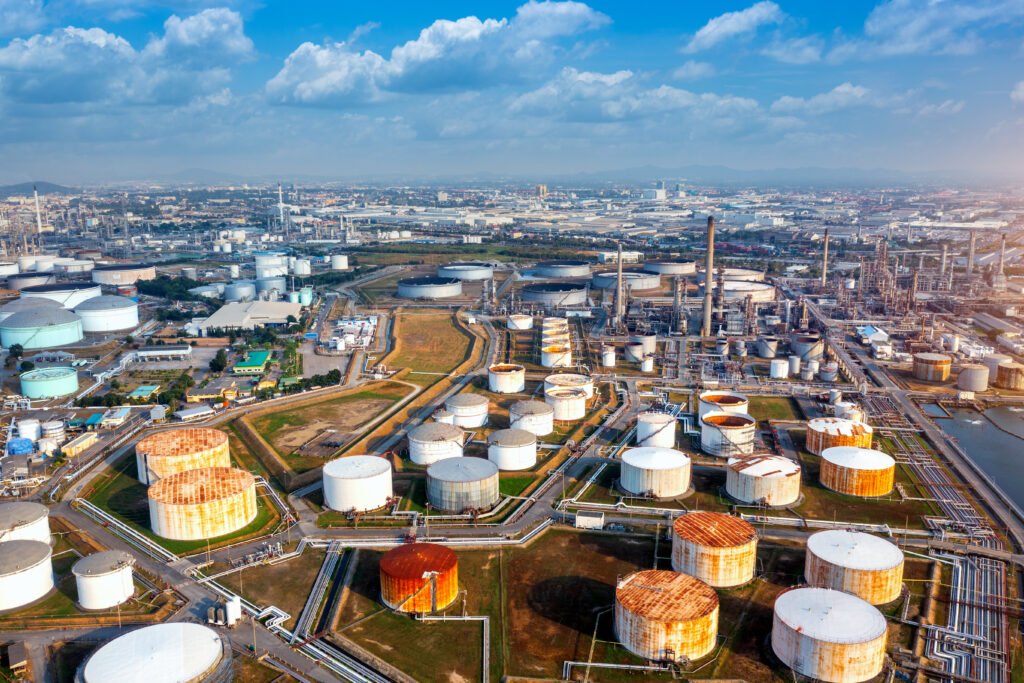
The oil and gas industry is one of the biggest and most important industries in the world. It is responsible for finding, drilling, and refining oil and gas, which power our cars, heat our homes, and keep our factories running. Because the work involves high pressure, heat, and heavy equipment, safety is extremely important. Any small mistake — like a weak or broken weld on a pipeline can cause a big explosion or a dangerous leak. That is why every part of the process must be carefully checked by trained professionals.
The Role of a Welding Inspector
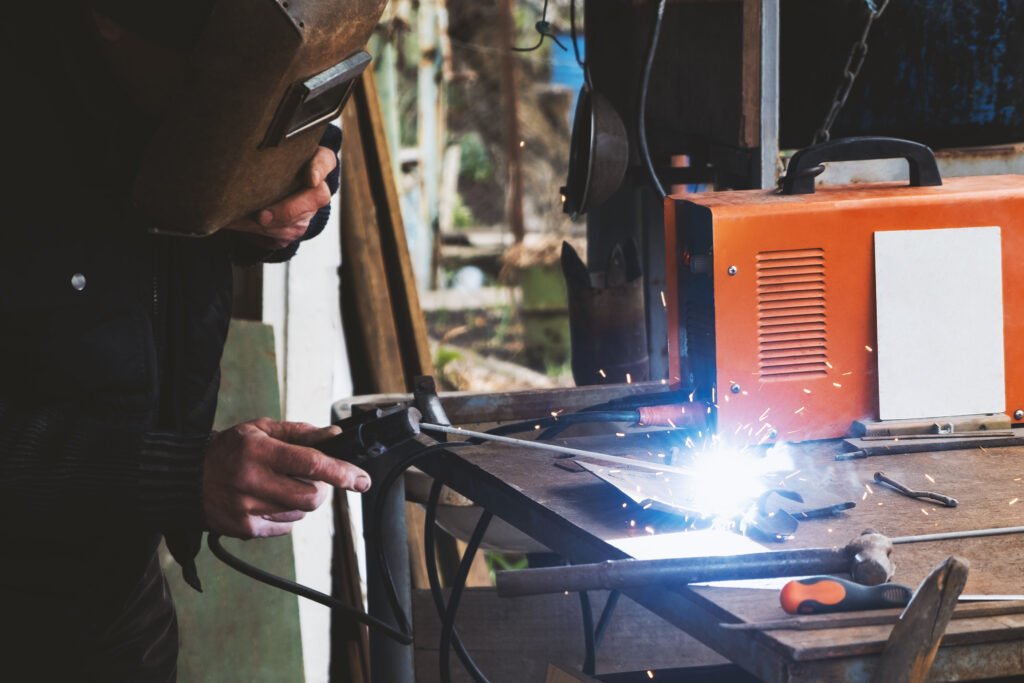
A welding inspector is a trained expert who checks the quality of welds in industrial projects. Think of a weld like glue that joins two pieces of metal together. If the weld is weak or has cracks, the metal can break under pressure. In the oil and gas sector, pipelines and pressure vessels carry materials at very high pressure. A welding inspector checks every weld carefully to make sure it is strong, safe, and follows the correct standards. Without this important role, pipelines and storage tanks could fail, putting workers and the environment at serious risk.
What Is Welding Inspection?
Welding inspection is the process of examining welds before, during, and after a welding job. Inspectors look for defects such as cracks, holes, or improper fusion between metals. They use special tools — like X-ray machines and ultrasonic testers — to see inside a weld without breaking it open. This process is called non-destructive testing (NDT). Good welding inspection ensures that every joint in a structure is as strong as it needs to be. In the oil and gas industry, welding inspection is not optional — it is a legal and safety requirement on every project.
CSWIP 3.1 — The Gold Standard Certificate
If you want to become a professional welding inspector, the most recognised qualification in the world is CSWIP 3.1. CSWIP stands for Certification Scheme for Welding and Inspection Personnel. The CSWIP 3.1 certificate is awarded by TWI (The Welding Institute) in the UK. It proves that a person has the knowledge and skill to inspect welds correctly and safely. Most companies in the oil and gas industry require their inspectors to hold a valid CSWIP 3.1 certification before they are allowed to start work on site. Getting this certificate requires studying welding science, visual inspection, and passing both written and practical tests.
The QC Inspector — Keeping Everything on Track
A QC inspector (Quality Control Inspector) plays a broader role on an oil and gas project. While a welding inspector focuses mainly on welds, a QC inspector oversees the overall quality of materials, equipment, and workmanship across the entire project. They check that every component meets the required standards and that nothing is installed incorrectly. A QC inspector works closely with welding inspectors, engineers, and project managers to make sure the final structure is safe, reliable, and built to last. Together, these quality professionals are the last line of defence between a safe oil and gas plant and a dangerous failure.