Role and Importance of a Welding Inspector
A Welding Inspector plays a crucial role in ensuring the quality, safety, and reliability of welded structures used in various industries. Welding is widely used in sectors such as construction, oil and gas, shipbuilding, manufacturing, and power plants. A qualified Welding Inspector is responsible for checking welding procedures, inspecting weld joints, and verifying that all welding activities follow industry standards and safety regulations. Their work helps prevent structural failures and ensures that projects meet required quality specifications.
Skills Required to Become a Welding Inspector
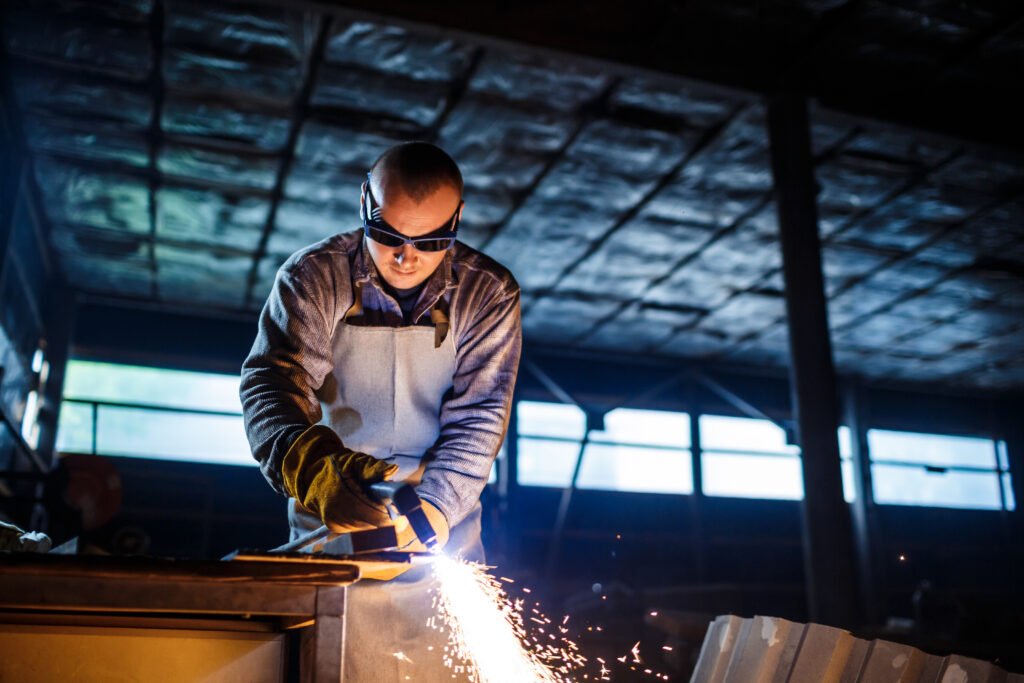
To become a successful Welding Inspector, individuals must possess a strong understanding of welding processes, materials, and inspection techniques. Knowledge of welding codes, blueprint reading, and defect identification is essential in this field. A professional Welding Inspector should also have attention to detail, analytical skills, and the ability to evaluate welding quality accurately. Training programs help students develop these technical skills and prepare them for real-world inspection tasks in industrial environments.
Training and Certification for Welding Inspectors
Proper training is very important for anyone who wants to become a certified Welding Inspector. Many training institutes offer special courses that teach welding inspection methods, common welding defects, safety procedures, and international standards. These courses include both theory classes and practical training, which help students clearly understand how the inspection process works. After completing a recognized certification course, a Welding Inspector can gain better knowledge, improve their professional value, and increase their chances of getting good job opportunities in industries like oil and gas, construction, and manufacturing.
Industries That Require Welding Inspectors
The demand for a qualified Welding Inspector is high across multiple industries that rely on welded structures and components. Oil refineries, pipeline construction projects, heavy engineering industries, shipyards, and infrastructure development projects all require skilled inspectors to maintain quality standards. A certified Welding Inspector ensures that welding work meets the required specifications and that structures remain safe and durable for long-term use.
Career Growth and Opportunities
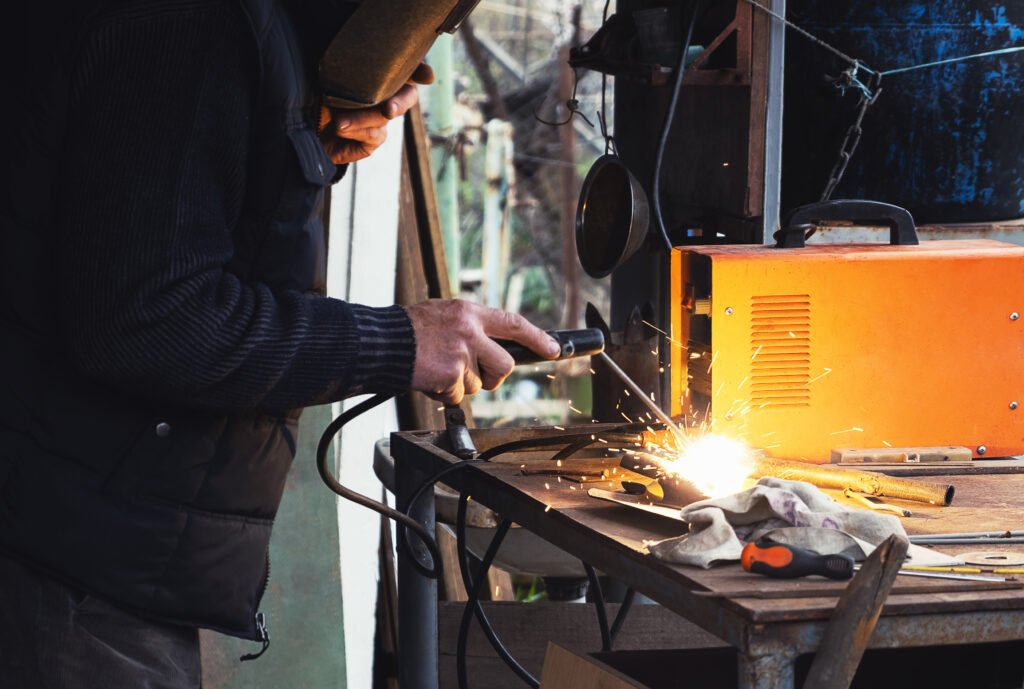
Choosing a career as a Welding Inspector offers good job security and career growth. As industries like construction, oil and gas, and manufacturing continue to grow, the demand for skilled inspection professionals is also increasing. With the right training, experience, and advanced certifications, a Welding Inspector can move into higher positions such as senior inspector or quality control manager.
This career also offers good salary opportunities and the chance to work on large industrial projects. Many professionals even get opportunities to work on international projects, making it a rewarding and stable career choice.